Is Saying the N-Word Haram?
In Islam, what is permissible (halal) and what is forbidden (haraam) extends to speech. Many Muslims wonder, is saying the N-word Haram?
Of course, offensive language like the N-word is by nature haraam, as they defy good character and respect toward certain groups of people. The word clashes with Islamic values of equality, kindness, and unity due to the background of racial oppression and discrimination.
In this article, we’ll delve into why such derogatory language directly contrasts with Islamic teachings and generally into the value of respect for others.
Is Saying of the N-Word Haram?

In Islamic teachings, the concept of halal and haram is not confined to food and action only but extends to speech and a code of ethics.
Islam generally emphasizes good character, kind words, and respect towards others, so the use of offending words that hurt or insult others would fall into haram. Here’s a more detailed breakdown as to why:
1. Racial Discrimination: Islam forbids racism; it shows how all human beings are born equal and never look into their race, ethnicity, or background.
That is what Prophet Muhammad-peace be upon him-echoed in the speech of farewell when he said:
No Arab is superior to a non-Arab and no non-Arab is superior to an Arab; the only superiority is based on piety and good actions
Sahih Muslim
2. Pernicious Speech: The ‘N’ word comes from a history and culture full of oppression and discrimination. This word would hurt others when used, especially in a derogatory way, and would not apply the Islamic rule of not saying what hurts others or offends them.
It says in the Holy Qur’an:
“And speak to people good [words]”
Qur’an 2:83
3. Speech Accountability: Islam makes one accountable for what he says. The Prophet Muhammad (peace be upon him) said:
“Whoever believes in Allah and the Last Day should speak a good word or remain silent”
Sahih Bukhari
4. Brotherhood and Harmony: Islam gives much importance to brotherhood and harmony amongst individuals. The usage of terms that are racial slurs goes against the spirit of mutual respect or harmony.
Islam makes a speech that uplifts and perhaps unites and encourages people toward good, not words that degrade or divide.
Why You Shouldn’t Call Someone the N-Word?
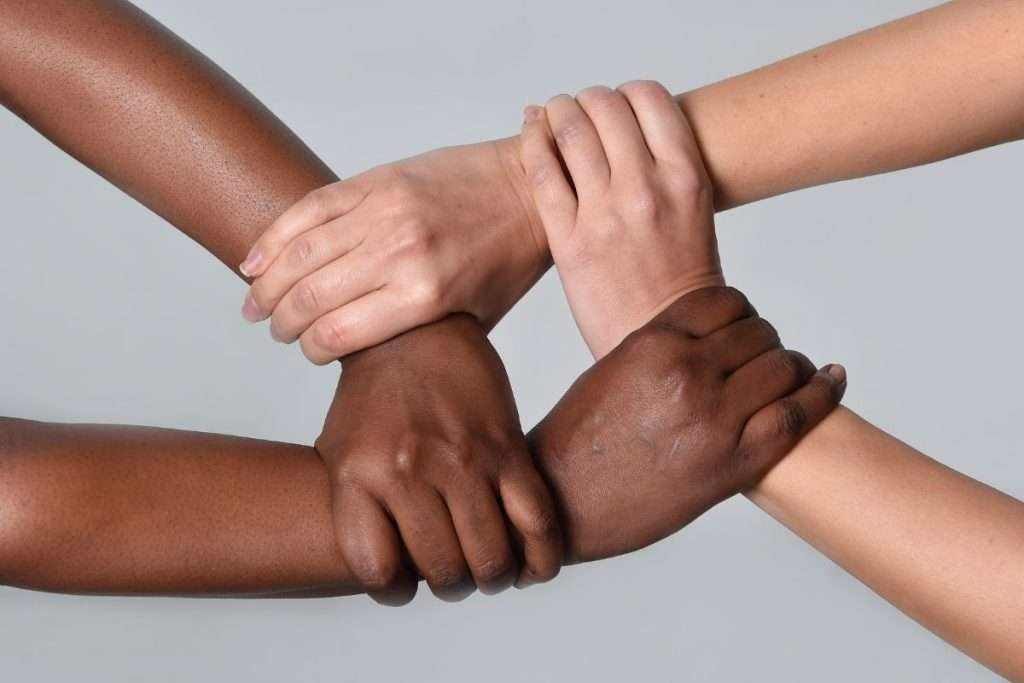
The usage of the N-word could be irreconcilably wrong and offensive on so many levels, and there could be a lot of reasons for this, ethical and social alike.
Major reasons one should not call someone the N-word include, but are not limited to, the following:
1. Historical Context of Oppression
There’s a painful history that proceeds the word, with it being used as a tool for oppression in the United States against slavery, through segregation, down to institutionalized racism. It meant to dehumanize Black people, confirming their perceived inferiority, and justifying violence against them.
2. A Racial Slur
Generally, the N-word will be understood as one of those abhorrent racial slurs. It is not only an insult but also a word inherently infested with racism, detestation, and even apartheid burdens. The very application of such a word is an affront to the very elements of humanity in Black people, thus dignity maimed.
3. Psychic Injury
Being called the N-word hurts both emotionally and psychically. It is a painful reminder not only of personal experiences but also of collective experiences of racism to most Blacks.
Even if the word were uttered casually, or with no intent to hurt, the weight remains there hence injurious on the receiving end.
4. Perpetuating Racism
It normalizes racist language use and reinforces racist attitudes in aggressive situations of everyday life.
Keeping stereotypes alive is sure to sabotage initiatives of building a society of more equanimity and respect for the dignity of other people.
5. Disrespect and Lack of Empathy
It is not considerate of others’ feelings and personal experiences. The N-word is incapable of any empathy towards those who are hurting because of the words spoken.
To treat others with respect, one needs to be sensitive to the impacts of their words on others, which would require any word carrying that depth of negative history.
6. It Causes Separation
The word is intrinsically divisive versus based on race. The term speaks to hostility, not harmony; it is less possible to develop intelligent and decent relationships among members of different races.
7. Ethical and Moral Responsibility
On a grander scale of morals and ethics, slurs such as the N-word go against everything devised by humans regarding fairness, equality, and respect for human dignity.
From any religious perspective, right down to just general humanism, there exists a moral obligation toward one’s fellow human being by actions and words: treat people with respect and mercy. Hurtful language especially in the form of a racial slur moves against that.
8. Social Consequences
Special social sanctions that entail the use of the N-word include strained relationships, loss of respect, and even professional repercussions.
Because awareness of racism is high today, people do not take a racial slur used against them lightly. This could amount to isolation in society or backlash when one refers to another person by the N-word.
What Does the Quran Say About Discrimination?
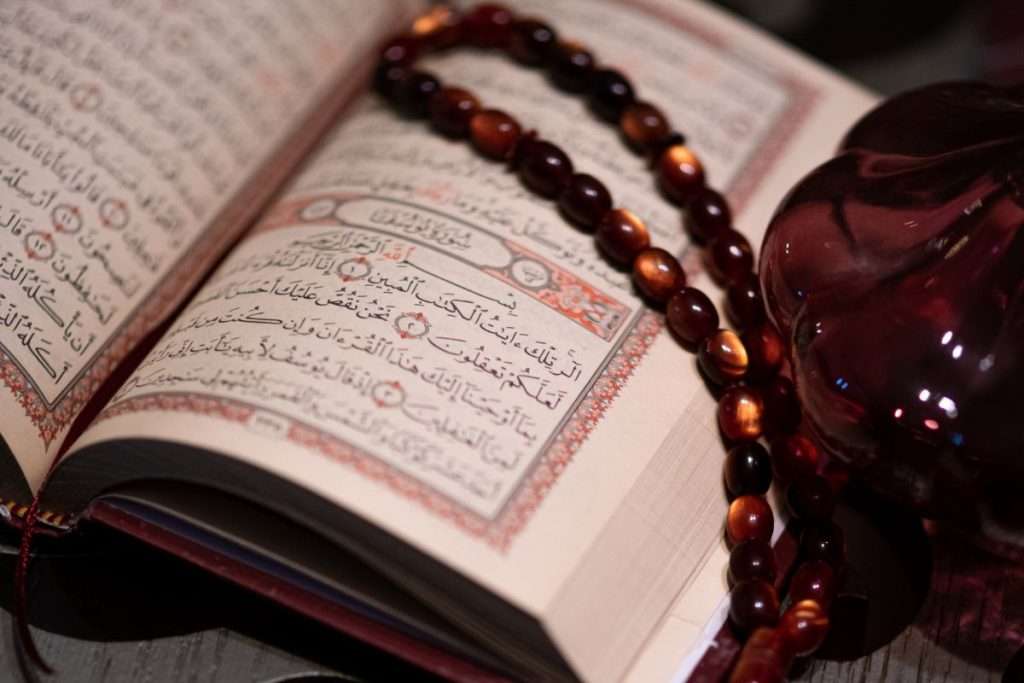
The Qur’an is the central religious book of Islam and strongly forbids discrimination in all respects by marking equality, justice, and brotherhood of every human being.
Therefore, any discrimination against a person based on his race, ethnic group, social class, or sex is utterly against the teachings of Islam because it puts weight on fraternity and sameness of all humans.
Following is a basic guideline from the Qur’an concerning discrimination:
1. All Humans Are Created Equal
The Qur’an made them believe that all humans have a common source and, therefore, are equal. It discredited all ideas of racial ethnic or social class supremacy over one another.
O mankind, fear your Lord, who created you from one soul and created from it its mate and dispersed from both of them many men and women. And fear Allah, through whom you ask one another, and the wombs. Indeed, Allah is ever, over you, an Observer.
Qur’an 4:1
That would imply that the origin of all human beings is one single stock and hence there should not be one group of human beings who can be regarded as superior to another.
2. Human Diversity as Part of Allah’s Signs in Creation
The Quran acknowledged that there are differences among the individuals of humankind and took it all as part of God’s making.
All these differences in race, language, and culture, are presented there as signs of Allah’s creativity, not at all as causes of discrimination.
And among His Signs is the creation of the heavens and the earth, and the variation in your languages and your colors: verily, in that are Signs for those who know.
Qur’an 30:22
By this verse, He sends lessons to the people by taking a lesson from diversity and learning from it – not using this as a tool for their division or discrimination.
3. Superiority Is Due to Piety Only Not because of Race and Wealth
It is said therein in the Holy Book of Muslims that the only yardstick before God to assess the dignity of any individual is based on his piety and righteousness and not because of his race, background, or even because of bank balance.
O mankind, indeed We have created you from male and female and made you peoples and tribes that you may know one another. Indeed, the most noble of you in the sight of Allah is the most righteous of you. Indeed, Allah is Knowing and Acquainted.
Qur’an 49:13
This verse is one of the clearest in the Qur’an on the issue of equality and has been provided as an upright refutation of any form of racial ethnic or social superiority.
It leaves no race or people inherently better or more deserving than others; the only criterion for distinction is through taqwa, usually translated as piety or God-consciousness.
4. Justice is a Core Principle
But what the Quran meant was that justice shall be imparted in society irrespective of any person’s background, and it called upon the Muslims to be just and fair with every other person even if it is against them or their near and dear ones.
Indeed, Allah commands you to render trusts to whom they are due. And when you judge between people judge with justice. Excellent, indeed, is that with which Allah instructs you. Indeed, Allah ever is Hearing and Seeing.
Qur’an 4:58
O you who have believed, be persistently standing firm for Allah, witness in justice, and do not let the hatred of a people prevent you from being just. Be just; that is nearer to righteousness. And fear Allah; indeed, Allah is acquainted with what you do. If one of them is offered a copy of the clear evidence [i.e., one knows it from the Book but conceals it], then they will know it as they know their [own] sons [i.e., their falsehood].
Qur’an 4:135
This is one of the verses that advocates for human rights. In this verse, the beat of justice reaches out to all mankind regardless of their social class or economic status.
It forbids injustice in any form since a person’s wealth condition or historical background cannot produce inequality in matters related to fairness and justice.
5. Brotherhood of All Believers
The Quran insists upon a universal brotherhood of believers wherein differences of race, ethnicity, or nationality have no meaning.
Muslims are to conceive of themselves as members of one world community united in faith rather than divided along racial or ethnic lines.
The believers are but brothers, so make settlement between your brothers. And fear Allah that you may receive mercy.”
Quran 49:10
It has been a cornerstone verse in the lives of believers and brings them into reality more that the social divisions based on race or anything else have to be dispelled against the common identity as believers.
6. The Final Sermon of Prophet Muhammad
Though this is not part of the Qur’an, some eidetic vibrations of the Qur’anic text against discrimination do occur in the final sermon of Prophet Muhammad: “All mankind is from Adam and Eve. An Arab has no superiority over a non-Arab, nor does a non-Arab have any
Conclusion
The word is full of ‘N’, racial hate, and oppression. Using such a word against any person only shows that little respect exists over the fact of what the Black people went through and what they continue to go through.
This has nothing to do with censorship of any offensive words but all to do with sensitivity concerning the harm caused and which is still being caused up to date, and desiring to use the enabling language, not one that hurts.
One Step closer to Allah